Denver Water drought restrictions are changing the way Colorado homeowners can water their landscapes. Beginning October 1, 2026, Denver Water will end normal irrigation of grass.
That means September 30 is the last day for normal irrigation of lawns under the new restrictions.
And this isn’t a minor adjustment.
Denver Water reports that natural streamflow from April through July was just 22% of normal — the lowest recorded in 110 years. Reservoir storage was at 72% as of August 24, compared with a historical median of 94%.
Denver Water estimates that eliminating grass irrigation after September 30 could save approximately 5,000 acre-feet of water.
For Colorado homeowners, this is an important signal: the way we landscape and maintain our properties is changing.
What Changes October 1?
The most important change is straightforward: On August 26, 2026, Denver Water announced an amendment to its Stage 1 Drought Declaration that will end irrigation of grass beginning October 1, 2026.
Grass irrigation ends September 30.
Beginning October 1, watering grass will generally be prohibited, with limited exceptions for certain high-traffic active-use areas such as parks, athletic fields, school grounds, and other approved areas.
For the average homeowner, that means your lawn can no longer be routinely watered with your irrigation system.
But trees and shrubs can still be watered.
This is an important distinction.
Denver Water’s new restrictions allow drip irrigation and other low-volume, non-spray irrigation for trees, shrubs, and perennial plants.
These plants can continue receiving water after September 30.
That makes protecting established trees particularly important.
Colorado’s mature trees provide shade, cooling, habitat, environmental benefits, and significant value to a property. Losing a lawn is one thing. Losing a mature tree because its irrigation system wasn’t properly configured is another.
## What the Denver Water Drought Restrictions Mean for Homeowners
Your Irrigation System May Need to Change
One of the most important things homeowners should do now is have their irrigation system evaluated.
If your system currently waters lawns, trees, shrubs, and planting beds from the same zones, those systems may need to be separated or reconfigured.
Before October 1, homeowners should consider:
- Reprogramming irrigation controllers.
- Identifying which zones water grass.
- Identifying zones that water trees and shrubs.
- Converting appropriate areas to drip or low-volume irrigation.
- Making sure irrigation doesn’t spray prohibited areas.
- Checking that valuable trees will continue receiving adequate water.
Don’t wait until October 1 to figure this out.
What About New Grass?
This is another significant change.
After September 30, establishing new grass will generally require special circumstances and an approved variance from Denver Water.
The new Water restrictions are especially significant for homeowners with large areas of Kentucky bluegrass.
Denver Water may consider factors such as the type of planting, area disturbed, soil, irrigation method, season, and whether the project involves restoration, remediation, a certificate of occupancy, or water-wise landscaping.
If you’re planning a landscape renovation that involves new turf, now is the time to understand the rules before the project begins.
This Is Bigger Than a Temporary Water Restriction
Perhaps the most important message in Denver Water’s announcement is the long-term direction.
Colorado’s water situation is forcing homeowners, contractors, and landscape designers to rethink what a beautiful landscape looks like.
Denver Water specifically points to ColoradoScapes and water-wise landscaping as part of that future.
According to Denver Water, water-wise landscapes use an average of 66% less water per square foot than Kentucky bluegrass while still providing environmental, aesthetic, water-quality, and cooling benefits.
That’s a significant difference.
The goal isn’t simply to have less landscape.
The goal is to create landscapes that make better use of the water Colorado actually has.
What Can Homeowners Do Now?
If you’re considering a landscape project, this may actually be a good time to rethink your property.
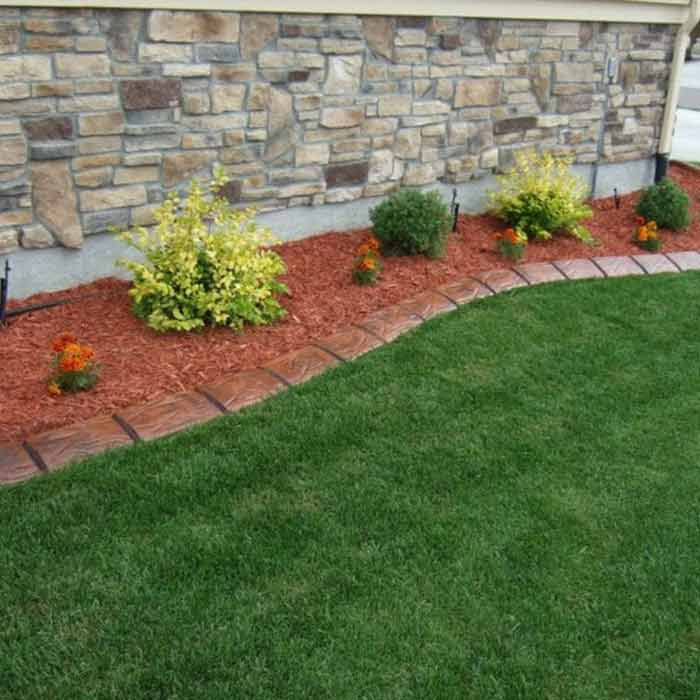
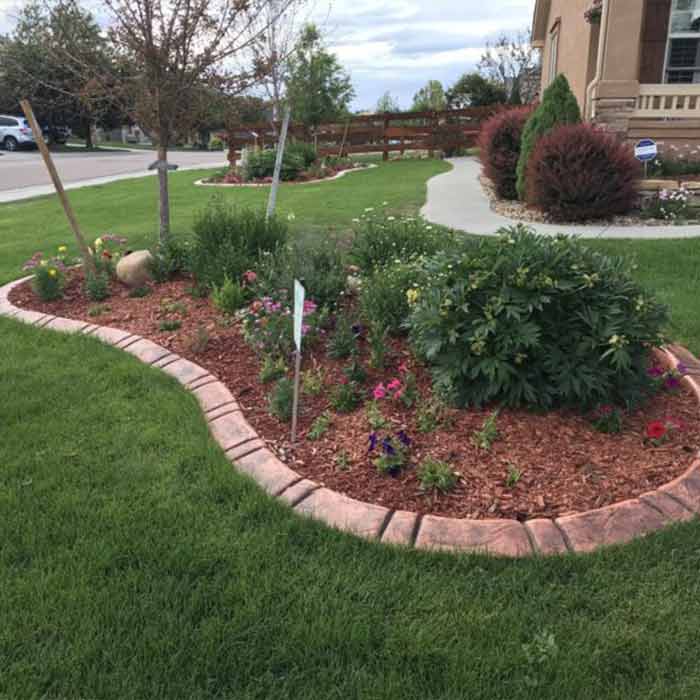
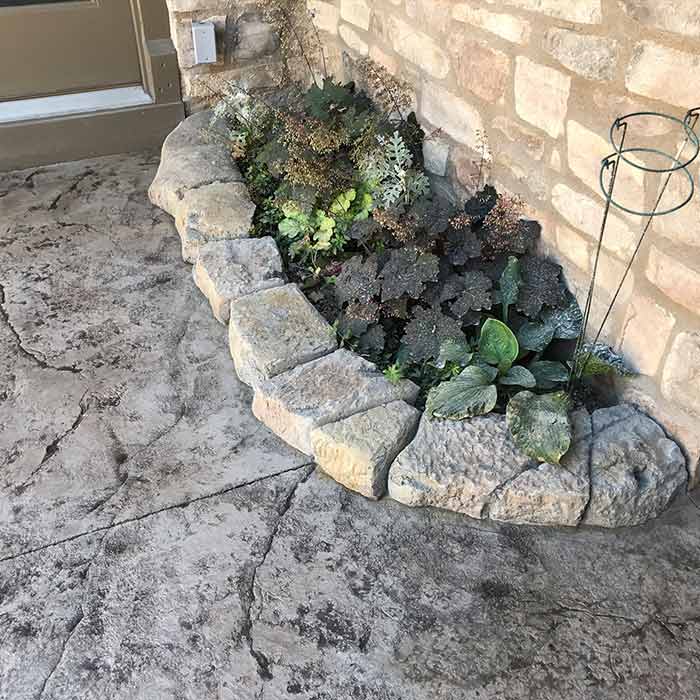
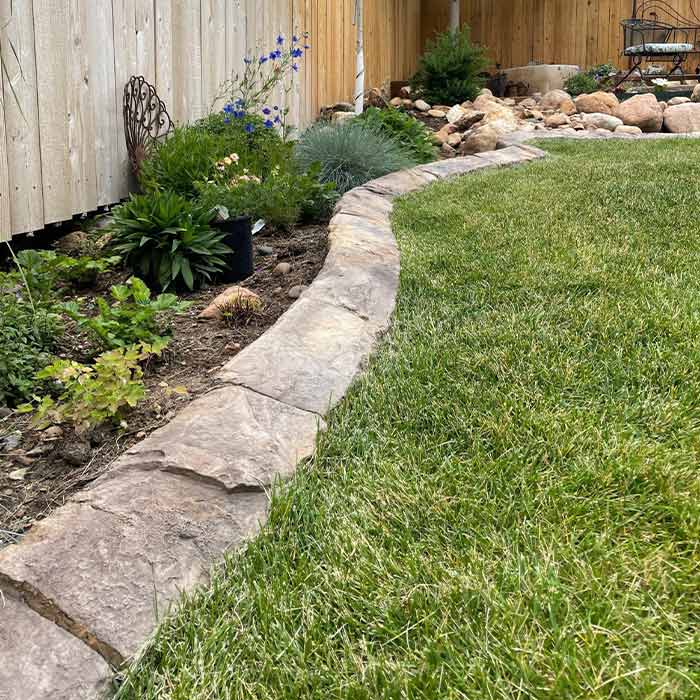
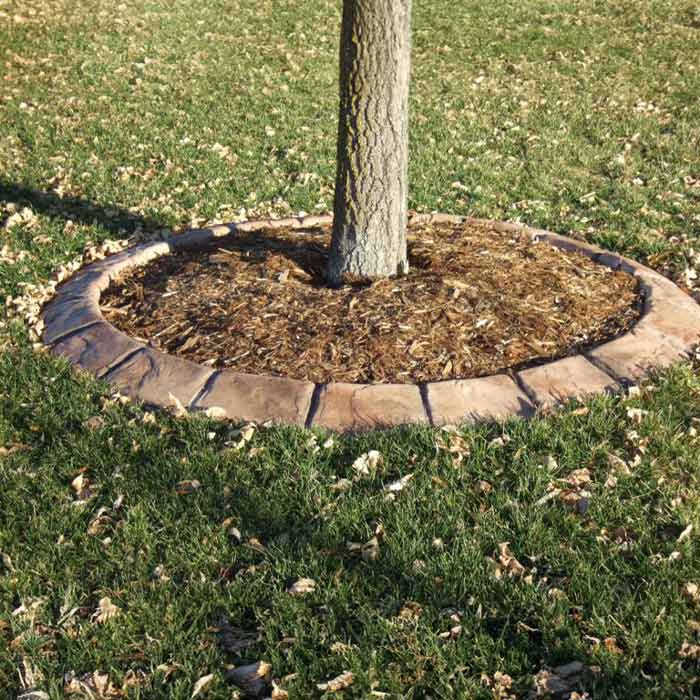
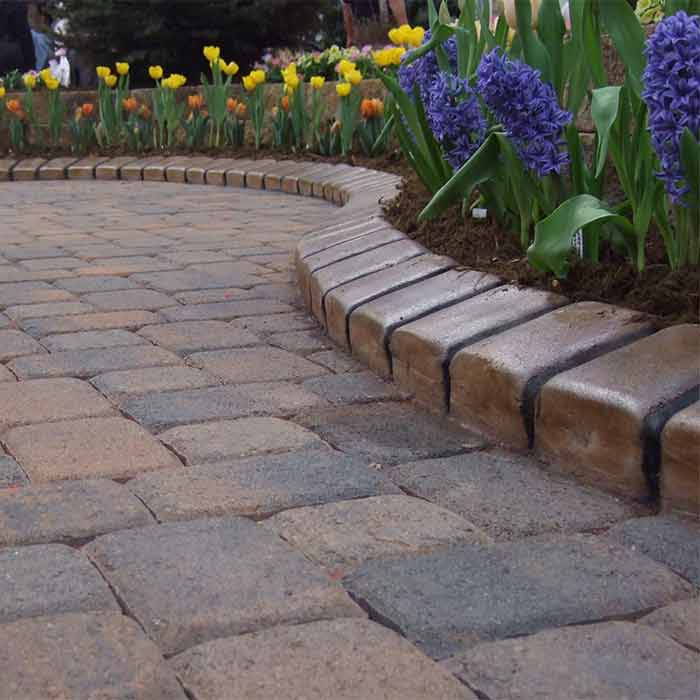
Well-designed concrete landscape borders can give planting areas a finished, intentional appearance while helping define where lawn ends and landscape beds begin. Instead of automatically replacing every square foot of lawn with more lawn, consider incorporating:
Hardscape and pathways
Well-designed pathways, patios, and other hardscape elements can reduce irrigated area while making a property more functional.
Landscape borders
A well-designed concrete landscape border can give planting areas a finished, intentional appearance while helping define where lawn ends and landscape beds begin.
Water-wise planting areas
Trees, shrubs, perennials, and other appropriately selected plants can create beautiful landscape spaces without requiring the same amount of water as a traditional bluegrass lawn.
Thoughtful irrigation
One of the most important things homeowners can do before the Denver Water drought restrictions take effect is have their irrigation system evaluated. Where irrigation is needed, low-volume and drip systems can help deliver water where plants actually need it.
The Colorado Landscape Is Changing
For decades, the standard Colorado landscape has often meant a large expanse of Kentucky bluegrass surrounded by planting beds.
That model is becoming increasingly difficult to sustain.
The future doesn’t have to mean ugly yards, bare dirt, or giving up on having a beautiful property.
It means being more intentional. The Denver Water drought restrictions are also signaling a broader change in how Colorado landscapes will be designed and maintained.
Beautiful landscapes and water conservation don’t have to be opposites.
In fact, some of the most interesting Colorado landscapes are created when we stop trying to make our yards look like landscapes from a completely different climate.
At A Better Edge, we believe the landscape should look like it belongs here — beautiful, functional and built to last in Colorado.
If you’re considering changing your lawn, adding planting beds, creating pathways or redesigning your landscape, this is a good time to start planning.
September 30 will be here quickly.
If you’re considering changing your lawn, adding planting beds, creating pathways or redesigning your landscape, A Better Edge’s landscape edging and hardscape services can help you create a more intentional Colorado landscape.
Important: This information is changing
Denver Water’s drought restrictions and variances can change as conditions evolve. Homeowners and contractors should verify current requirements directly with Denver Water before beginning work or making irrigation changes.
The Colorado drought restrictions may be challenging, but they also create an opportunity to rethink what a beautiful Colorado landscape can look like.
Planning a landscape project in the Denver/Front Range area?
A Better Edge can help you create defined, beautiful landscape spaces that complement a more water-conscious Colorado landscape.
A Better Edge — Beautiful borders. Better landscapes. Built for Colorado.
Information for this article was obtained from John McMahon, ALCC